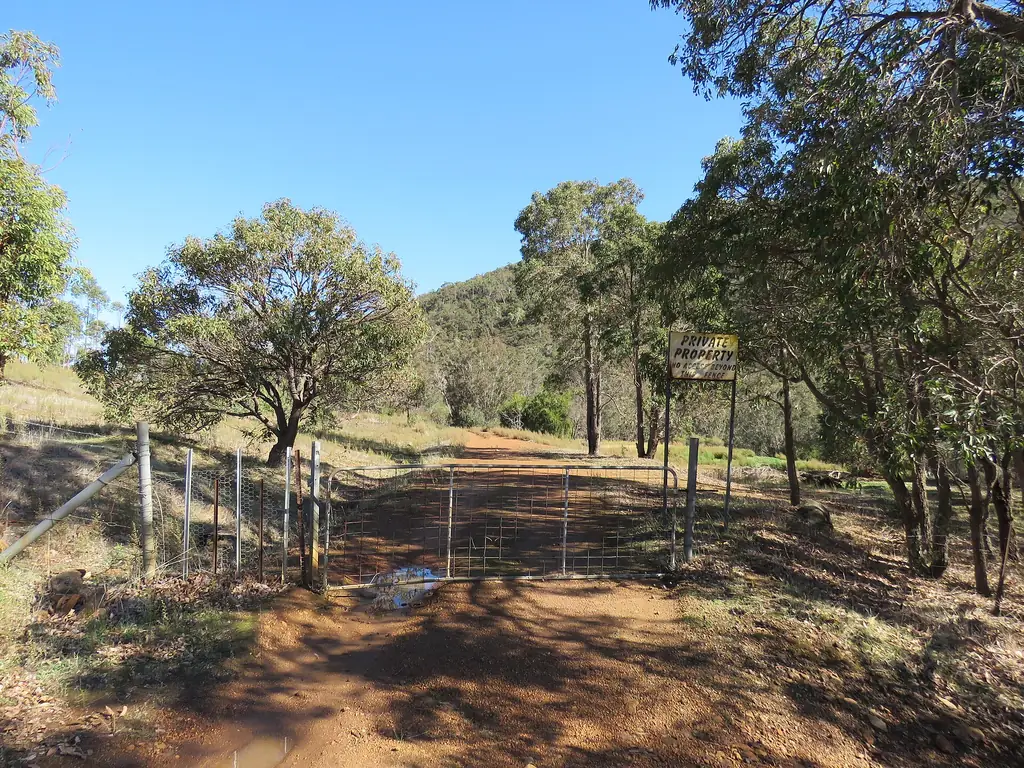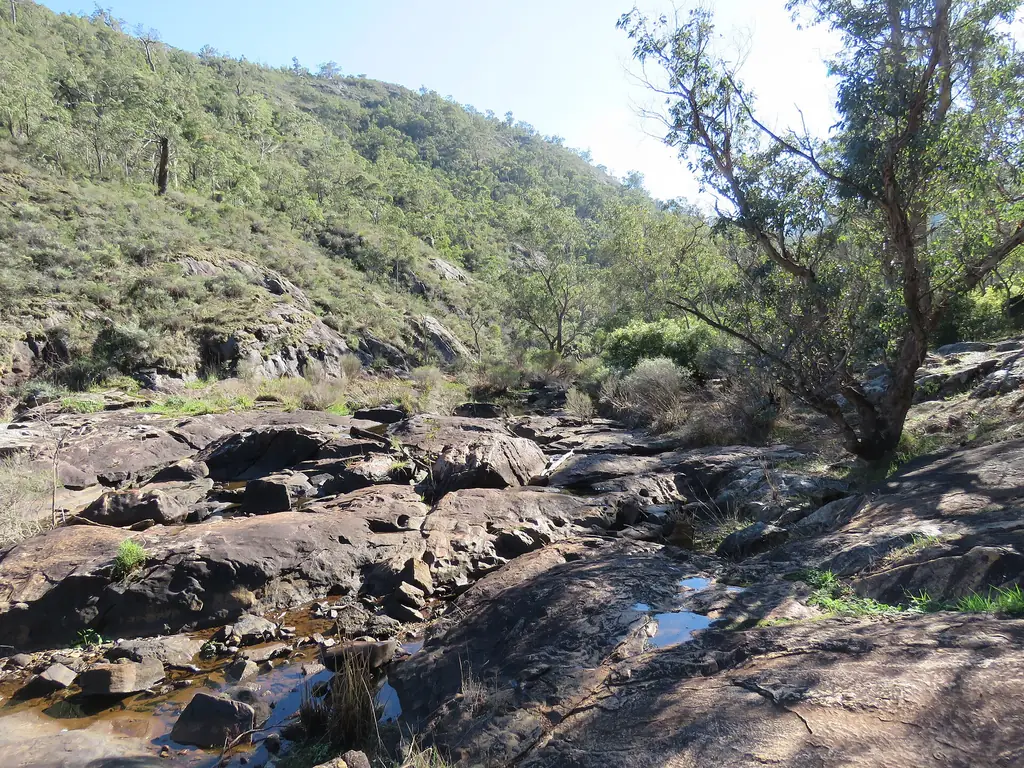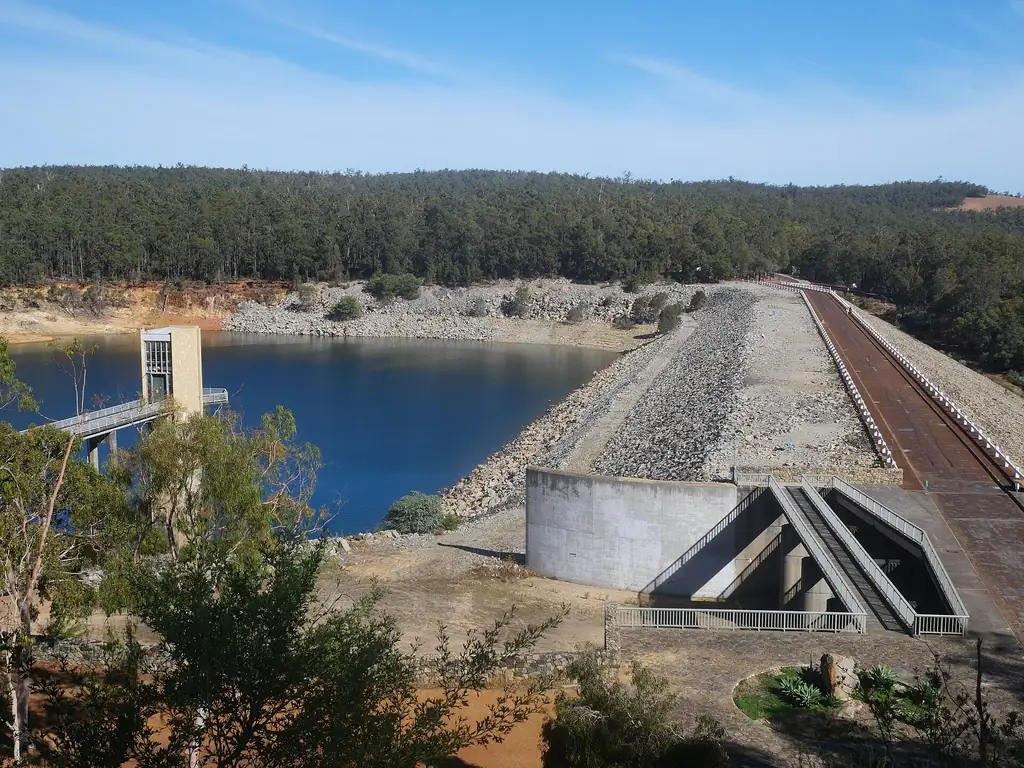
The Serpentine Valley has a Mediterranean climate similar to Perth’s, with slightly more rain on the scarp. Check the Bureau of Meteorology forecast and DBCA Park Alerts before you visit.
Seasons
| Season | Conditions | What it means |
|---|---|---|
| Summer | Hot and dry, frequent heatwaves | Swim at the falls early; fire risk |
| Autumn | Warm, settling | Comfortable walking |
| Winter | Mild days, rain | Falls flowing strongly |
| Spring | Mild, wildflowers | Best overall season |
Weather radar
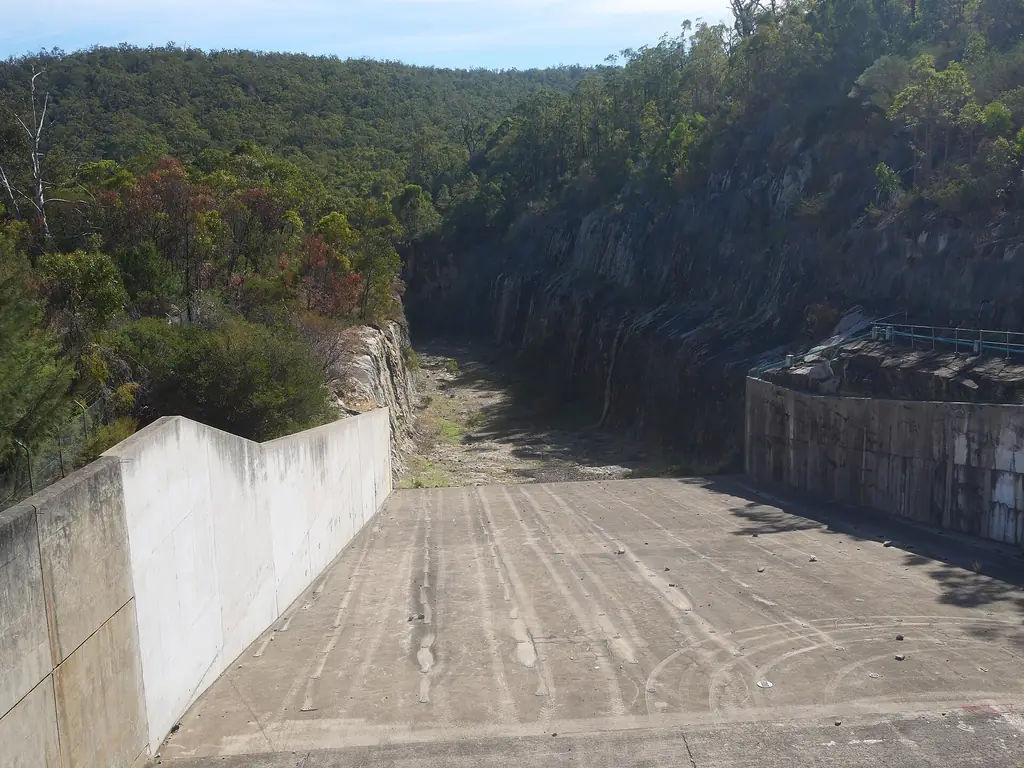
Perth’s weather radar coverage is useful for tracking showers approaching the hills; check the Bureau of Meteorology website or app.
Planning tips
Walk Kitty’s Gorge in the cooler months, visit the falls after winter rain for full flow, and avoid hot summer afternoons.
Swimming conditions
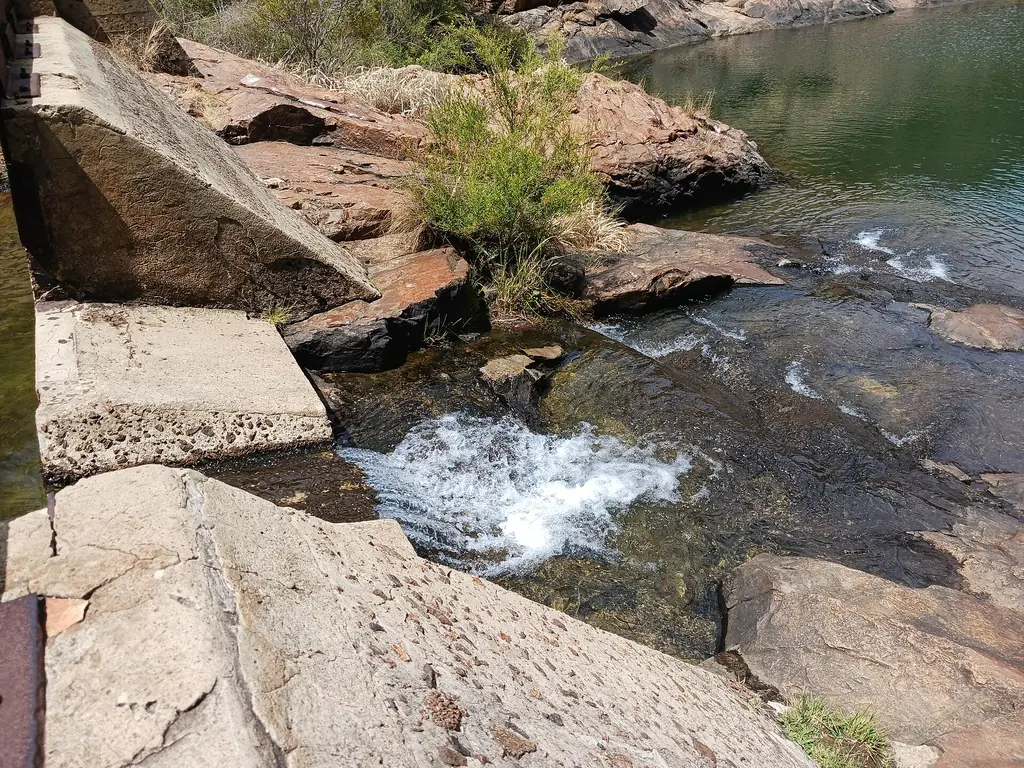
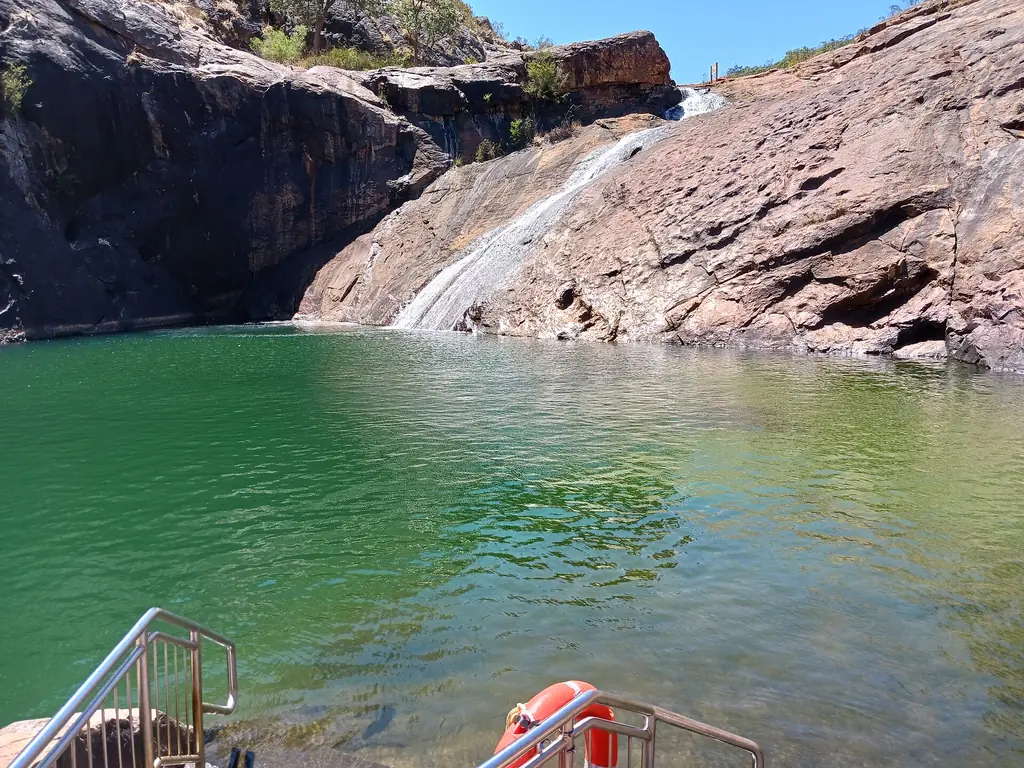
The pool below Serpentine Falls is popular in summer but cold year-round. After heavy rain, water levels and flow increase; check signage and stay out of the water if conditions look unsafe.
Walking conditions
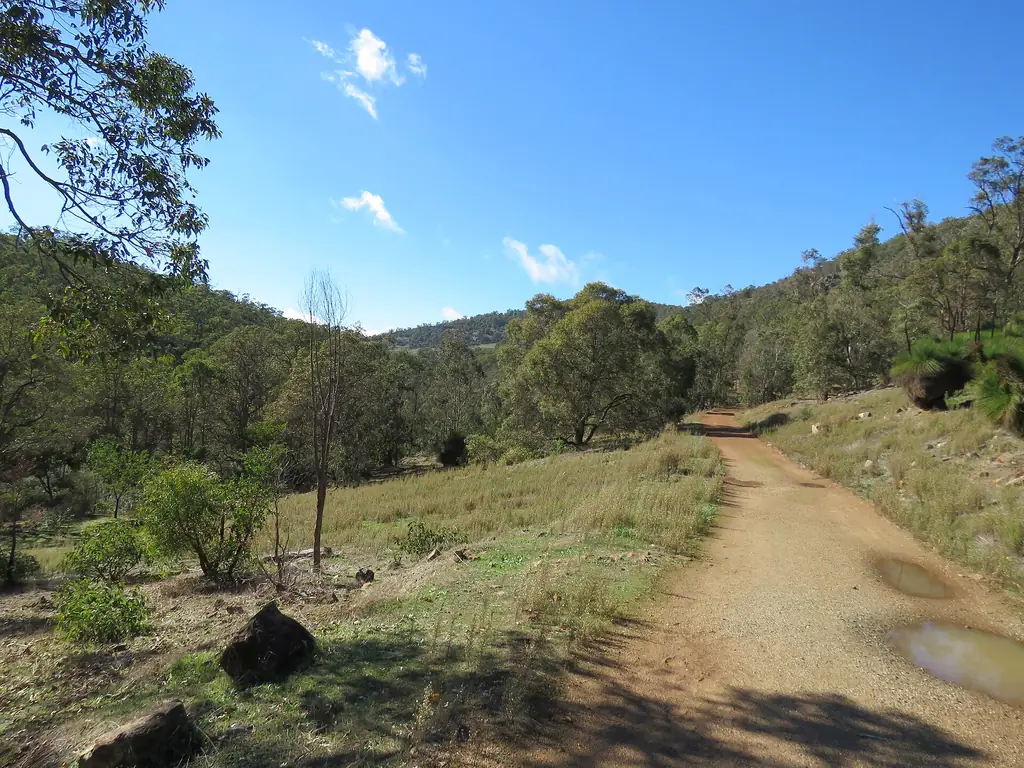
Rocky tracks such as Kitty’s Gorge can be slippery when wet, and creek crossings deeper after rain. In summer, start early and carry extra water.
Frequently asked questions
When is Serpentine Falls flowing?
Most strongly in winter and early spring after rain.
Is Serpentine hot in summer?
Yes, often very hot and dry.
Where can I check weather radar for Serpentine?
On the Bureau of Meteorology website or app.
Can Serpentine National Park close because of weather?
Yes, on days of extreme fire danger or after storms; check DBCA alerts.
What is the best season to visit Serpentine?
Spring, for mild weather, wildflowers and flowing water.
Is it cooler in the hills?
Slightly, but summer is still hot.
Does Serpentine get frost?
Occasional frosts can occur on cold, clear winter nights in low-lying areas.